
Carbon Fibre Filament
-
 In production
ABS Carbon Fiber (ABS CF)
Regular price $19.99 AUDRegular priceUnit price per$27.99 AUDSale price $19.99 AUDSold out -
ASA Carbon Fiber (ASA CF)
Regular price $34.99 AUDRegular priceUnit price per$39.99 AUDSale price $34.99 AUD -
PETG CF Black
Regular price $22.99 AUDRegular priceUnit price per -
PLA Carbon Fiber
Regular price $23.99 AUDRegular priceUnit price per -
 10/10/2026
PA6 CF (Nylon CF)
Regular price $59.99 AUDRegular priceUnit price per -
 29/09/2026
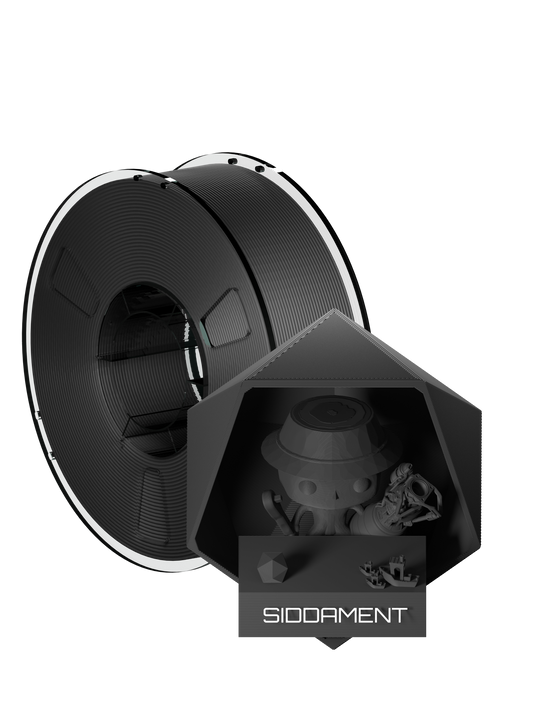
Original ASA Carbon Fiber (ASA CF) N3D
Regular price $39.99 AUDRegular priceUnit price per -
 10/10/2026
PETG CF Grey V2
Regular price $26.99 AUDRegular priceUnit price per -
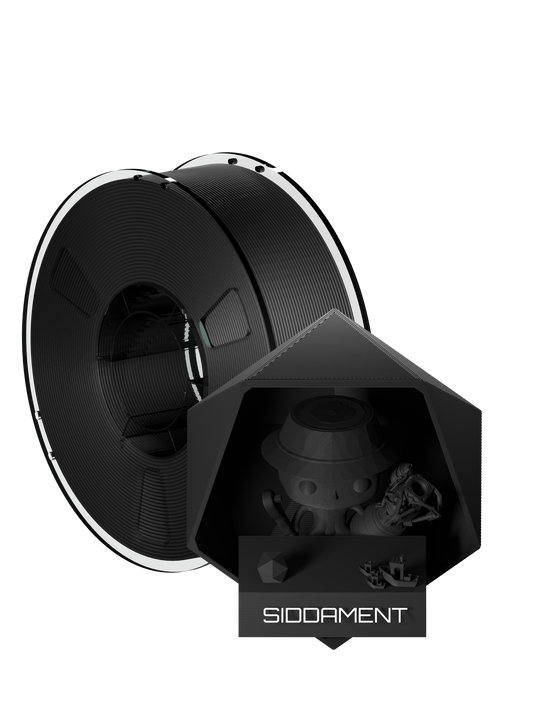
PETG CF Green V2
Regular price $26.99 AUDRegular priceUnit price per$29.99 AUDSale price $26.99 AUD -
 In production
PETG CF Black V2
Regular price $26.99 AUDRegular priceUnit price per -
PETG CF Blue V2
Regular price $26.99 AUDRegular priceUnit price per -
 29/09/2026
PPA-CF (Nylon)
Regular price $119.99 AUDRegular priceUnit price per -
 29/09/2026
 -
Original Green PETG CF
Regular price $22.99 AUDRegular priceUnit price per$22.99 AUDSale price $22.99 AUD -
Original Purple PETG CF
Regular price $22.99 AUDRegular priceUnit price per -
 10/10/2026
Original Grey PETG CF
Regular price $22.99 AUDRegular priceUnit price per -
Original Blue PETG CF
Regular price $22.99 AUDRegular priceUnit price per -
Original Red PETG CF
Regular price $22.99 AUDRegular priceUnit price per -
ABS CF Pellets 1KG
Regular price $16.99 AUDRegular priceUnit price per -
BIQU Panda CF-Wrapped Nylon (PA) — 1kg Black
Regular price $25.99 AUDRegular priceUnit price per$49.99 AUDSale price $25.99 AUDSold out -
BIQU Panda CF-Wrapped ABS — 1kg Black
Regular price $22.00 AUDRegular priceUnit price per$39.99 AUDSale price $22.00 AUD -
 05/10/2026
 -
 05/10/2026




About carbon fibre filament
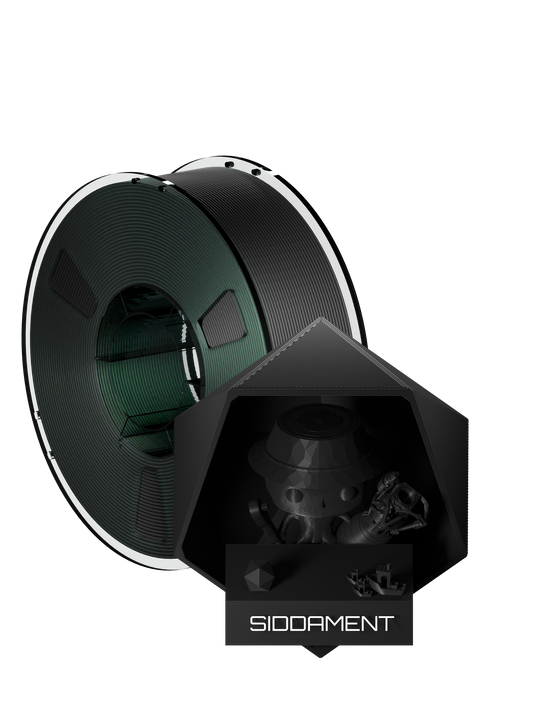
Carbon fibre filament is a base plastic with chopped carbon fibre mixed in. The fibre makes parts stiffer, more dimensionally stable and less prone to warping, with a flat matte finish. We stock carbon fibre filled PLA, PETG, ABS, ASA, nylon PA12, PPA and PPS in 1.75 mm on plastic spools.
Which carbon fibre filament to pick
- PLA CF and PETG CF print on an open printer and suit stiff brackets, jigs and frames.
- ABS CF and ASA CF add heat resistance, and ASA CF adds UV stability for outdoor parts.
- PA12 CF is tough and wear resistant for working parts.
- PPA CF and PPS CF are high temperature engineering grades for demanding parts.
Printing carbon fibre filament
Carbon fibre is abrasive. Use a hardened steel or other wear resistant nozzle, because brass wears out quickly. A 0.6 mm nozzle is less likely to clog than 0.4 mm. Carbon fibre makes a part stiffer, not tougher, so filled parts tend to snap cleanly where an unfilled part would bend.
Print settings
| Nozzle type | Hardened steel or similar |
|---|---|
| Nozzle size | 0.4 mm minimum, 0.6 mm preferred |
| Temperatures | As for the base plastic, often 5 to 10°C hotter |
| Drying | Dry nylon, PPA and PPS grades well before printing |
Data sheets for the filled grades are in the TDS library, and free slicer profiles are available.
Common questions
Do I need a hardened nozzle for carbon fibre filament?
Carbon fibre filament needs a hardened steel or other wear resistant nozzle. The chopped carbon fibre is abrasive and can wear out a brass nozzle within a single spool. A 0.6 mm hardened nozzle is a good default because it also clogs less.
Is carbon fibre filament stronger?
Carbon fibre filament is stiffer and more stable than the unfilled plastic, but not tougher. A carbon fibre filled part flexes less under load and warps less while printing. Under impact a carbon fibre filled part is more likely to snap than bend.
What is the easiest carbon fibre filament to print?
PLA CF and PETG CF are the easiest carbon fibre filaments to print. Both run on an open printer at normal PLA or PETG temperatures with a hardened nozzle. ABS CF, ASA CF and nylon CF need an enclosure, and nylon grades need thorough drying.